Shaping the Future
The construction industry is evolving faster than ever, driven by advances in technology, shifting client expectations, and a growing focus on sustainability and efficiency. What was considered cutting-edge just a few years ago is quickly becoming standard practice, and staying informed on these changes is essential for anyone involved in building or developing property. This blog post explores the leading trends currently shaping modern construction, why they matter, and how they are redefining the way buildings are built.
The Foundation: Understanding Modern Construction Trends
At its core, modern construction is about integrating new methods, materials, and technologies to build faster, safer, and more efficiently than traditional approaches allow. It encompasses innovations such as digital project management tools, prefabrication, smart building systems, and sustainable material choices. The ultimate goal is to deliver projects that are higher quality, more cost-effective, and better suited to the demands of today's occupants. Keeping pace with construction trends is not just about adopting the latest gadget or software; it is about rethinking how projects are planned, coordinated, and executed. It requires builders, architects, and developers to stay curious and adaptable, continually evaluating which innovations genuinely improve outcomes versus which are simply passing fads.
Key Trends Transforming Construction
The construction landscape is being reshaped by a combination of technology, sustainability, and changing client needs. Here are some of the leading trends defining the industry today:
1. Building Information Modeling (BIM)
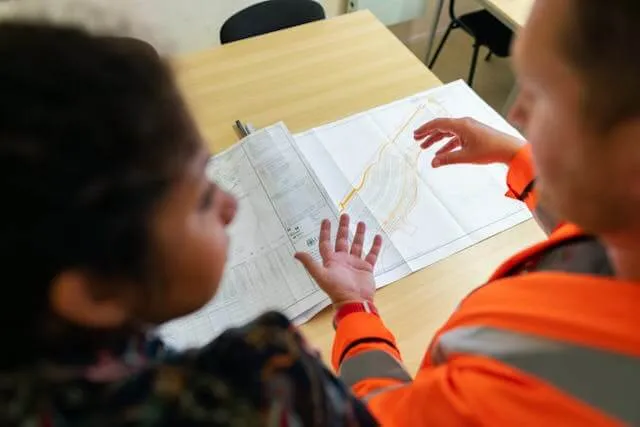
BIM technology allows architects, engineers, and contractors to create detailed digital models of a building before construction even begins. This collaborative approach helps identify potential design conflicts early, streamlines communication between teams, and reduces costly errors during the build. As BIM adoption grows, it is becoming a standard expectation on larger and more complex projects.
2. Prefabrication and Modular Construction
Building components manufactured off-site and assembled on location are speeding up timelines and improving quality control. Prefabrication reduces on-site labor demands, minimizes weather-related delays, and often results in less material waste. This trend is particularly popular for residential developments and commercial projects with tight schedules.
3. Smart Building Technology
Modern buildings increasingly incorporate smart systems for lighting, climate control, security, and energy management. These technologies allow for real-time monitoring and automation, improving efficiency while enhancing occupant comfort. As the Internet of Things continues to expand, smart features are shifting from a luxury add-on to an expected component of new construction. Even small upgrades can noticeably improve daily convenience.
4. Sustainable and Eco-Friendly Materials
Demand for environmentally responsible building materials continues to rise, from recycled steel and reclaimed wood to low-carbon concrete alternatives. These materials help reduce a project's environmental footprint while often improving durability and performance. This trend reflects a broader industry shift toward sustainability as a core design principle.
5. Drones and Advanced Site Monitoring
Drones are increasingly used for site surveys, progress tracking, and safety inspections, providing accurate data without the time and risk associated with manual methods. This technology gives project managers a clearer, real-time view of site conditions, helping them make faster and better-informed decisions throughout the build.
6. Focus on Labor Efficiency and Automation
With ongoing labor shortages in the construction industry, automation and robotics are playing a growing role in tasks like bricklaying, welding, and material handling. These tools help address workforce gaps while improving consistency and safety on the job site, allowing skilled workers to focus on more complex and specialized tasks.